Health Coaching: Support for the Journey Back to Health
There is a particular kind of tiredness that comes from trying. Not the tiredness of the condition itself, whether that is pain, fatigue, stress or something that has never quite been given a name, but the tiredness of the effort to fix it. Another article read at midnight. Another supplement bought. Another food group cut out. Another plan started on a Monday and quietly abandoned by Thursday. Repeat that cycle for a year or two and something begins to wear thin.
Health coaching tends to enter the picture at exactly that point. Not because the person has stopped caring, but because they have finally admitted that caring alone is not carrying them anywhere. They need someone in their corner who can hold the whole picture, filter what matters from what does not, and keep them moving when motivation dips.
The Point Where Trying Alone Stops Working
People who come to health coaching rarely arrive empty handed. They arrive full. Full of half-finished protocols, conflicting advice, screenshots saved from social media, and a nagging sense that everyone else seems to find this easier. Common experiences include:
-
Reading widely but feeling less certain after every article, not more
-
Starting with enthusiasm and losing momentum within a fortnight
-
Being told results are normal, while still feeling far from well
-
Managing one area well and watching three others slide
-
Knowing what to do in theory and being unable to do it consistently

None of that reflects a lack of intelligence or discipline. It reflects the fact that changing health habits is a bit like renovating a house while living in it. There is no empty week to start from. There is only the life you already have, with work, family, energy levels and whatever your body is doing that day.
What Health Coaching Actually Is
The health coaching profession is built on supporting clients in a holistic and integrated way to support optimum health and wellness. In the NHS, health and wellbeing coaches are described as non-clinical, personalised care roles. They work with people who have physical or mental health conditions, people with long-term conditions, and those at risk of developing them. Their focus is on improving health related outcomes by working with people to set personalised goals. NHS health and wellbeing coaches complete a Personalised Care Institute accredited four day health coaching training course, and the Personalised Care Institute also offers wider online learning programmes for those delivering coaching.
That gives a useful picture of the shape of the work. A health coach is not a doctor, not a dietitian and not a therapist. The role is to help you take an active part in your own care, set goals that mean something to you, and then actually reach them. The knowledge sits with you as much as with the coach. What the coach brings is structure, perspective and consistency.
How Health Coaching Differs from Being Told What To Do
There is a meaningful difference between advice and coaching, and it is worth being clear about it. NHS health and wellbeing coaches work in a way that is not directive or prescriptive, and they do not give advice. Their job is to draw out your own answers, plan and priorities. That is the discipline of coaching.
In a private practice, the line sits slightly differently. Alongside coaching skills, you might also receive grounded practical suggestions drawn from experience: how to build a meal when you are too tired to cook, what to do with a week of poor sleep, how to reintroduce movement without triggering a flare. The coaching part is what keeps those suggestions useful, because a suggestion only helps if it survives contact with your actual week.
What One Hour Every Two Weeks Looks Like
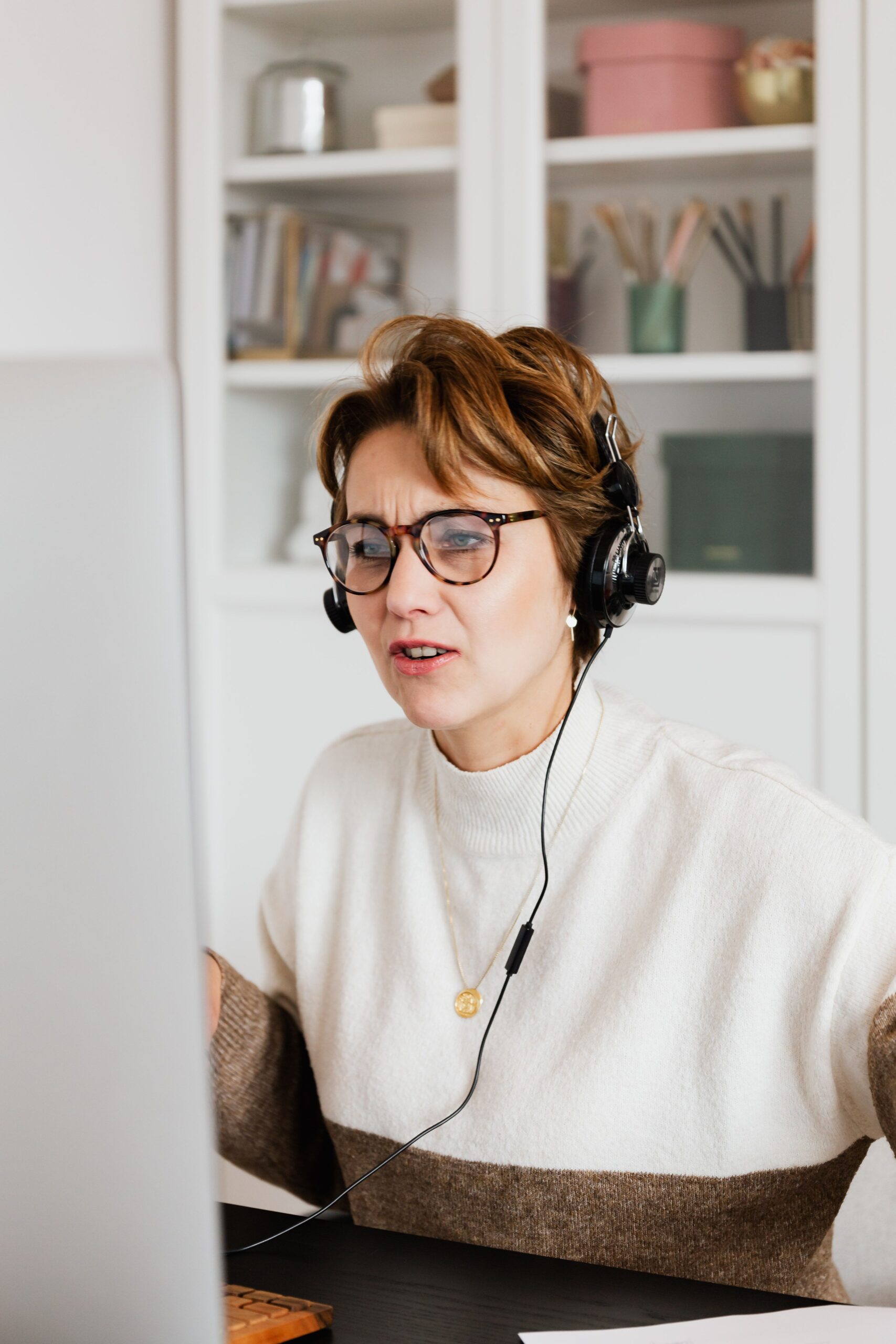
Health coaching at Tuned Up runs in person or over Zoom, in sessions of around an hour, roughly every two weeks. That rhythm is deliberate. Weekly can feel relentless for someone already stretched thin. Monthly is long enough for good intentions to dissolve and for the thread of the conversation to go cold. A fortnight is enough time to attempt something real and short enough that you are never far from the next checkpoint.
On Zoom, the practical barriers fall away. No travel on a bad day, no cancelling because the pain is up, no waiting room. You can take the call from the sofa with a cup of tea and still do serious work. For anyone living with fatigue or chronic pain, that accessibility matters more than it sounds.
What Happens in a Session
Every session is client led, which means the agenda starts with you. A typical hour tends to move through a few recognisable stages:
-
An honest review of the fortnight just gone, including what did not happen
-
Untangling what got in the way and whether the plan was realistic in the first place
-
Deciding the one or two things that matter most before the next session
-
Breaking those down until they are small enough to be genuinely doable
-
Agreeing how you will know it worked, and what you will do if it does not
Between sessions you leave with something concrete, not a vague intention to do better. That is the difference between a good conversation and a plan that changes anything.
Grounded Practical Advice Instead of More Information
Information is not scarce. The problem is that most of it arrives without context. A study about a nutrient says nothing about your budget, your cooking ability, your medication or your energy on a Wednesday evening. A wellness influencer’s morning routine is not a plan for someone who wakes at five with joint pain.
Health coaching filters. It takes the general and makes it specific to you, then tests it. If a change does not fit your life, it gets adjusted rather than abandoned. Over several months, that process builds something far more valuable than a perfect protocol: a working knowledge of what actually helps your body and what reliably does not.
Goal Setting That Survives a Bad Week
Most health plans fail in the same way. They are designed for a good week and then meet a bad one. A flare up, a stressful deadline, a sick child, a bout of insomnia, and the whole structure collapses.
Coaching anticipates this. Goals get built with a fallback version attached, so the minimum standard on a difficult day is still something you can meet. Ten minutes of gentle movement instead of a full session. A simple meal instead of the elaborate recipe. That way the streak does not break, the identity of being someone who follows through survives, and momentum is still there when energy returns.
The Accountability That Changes the Outcome
Accountability has a poor reputation. It sounds like being chased. Done properly, it is closer to being expected somewhere. Someone is going to ask how the fortnight went, and they will ask kindly but they will ask. That single fact changes how a Tuesday afternoon gets spent.
It also creates somewhere to be honest. Most people perform wellness for the people around them. In a coaching session, you can say that you ate cereal for dinner three nights running and nobody will flinch. That honesty is often the first time a real obstacle becomes visible enough to solve.
Where Health Coaching Sits Alongside Other Care
Health coaching works well as a companion to other support, not a replacement for it. It can run alongside GP care, physiotherapy, talking therapies, or the bio-resonance scanning and tuning fork sound therapy offered at Tuned Up. Many people find that practical lifestyle work and gentler supportive therapies complement each other, because the body responds better to change when stress is lower and the nervous system is not braced.
Nothing about coaching diagnoses, treats or cures illness. It is not a substitute for medical assessment, and no promises are made about outcomes. What it does offer is structure, encouragement and a place to think clearly when everything feels tangled.
What Health Coaching Is Not
Setting expectations fairly matters. Health coaching is not a quick fix, and a single session rarely reshapes years of habit. It is not a diet plan handed down from on high, and it is not a lecture about willpower. It is also not therapy. If what surfaces during sessions belongs with a counsellor or a clinician, signposting to the right professional is part of the job.
What it is, at its best, is steady. A regular hour where you are the subject, the plan belongs to you, and someone is keeping track alongside you rather than watching from a distance.
Starting From Where You Actually Are
If you have read this far, there is a good chance you recognise the opening description. That recognition is usually enough. You do not need to have a diagnosis, a clear goal or a tidy routine before starting. You need a willingness to show up every couple of weeks and be honest about how things went, including the weeks when nothing went well at all.
The shift from frustration to progress rarely happens in one dramatic moment. It happens in small, unglamorous steps, each one checked against reality and adjusted before the next. That is the quiet work of health coaching, and it is often the thing that was missing all along.
Frequently Asked Questions
How long does it take to see progress with health coaching?
Some people notice changes within a few sessions, often in sleep, energy or how they approach their day. Deeper shifts in habits and lifestyle tend to build over several months of consistent fortnightly work. Progress is rarely a straight line, and it is normal for some weeks to feel like a step backwards. The value comes from reviewing honestly and adjusting rather than starting again.
Do I need a diagnosis before working with a health coach?
No. Health and wellbeing coaches support people with physical or mental health conditions, people with long-term conditions and those at risk of developing them, so a diagnosis is not a requirement. What matters more is knowing what you want to change and being willing to work on it steadily. If something clinical needs attention, a coach should signpost you appropriately.
Is health coaching available through the NHS?
Health and wellbeing coaches do work within NHS personalised care roles, and NHS coaches complete a Personalised Care Institute accredited four day training course. Availability varies by area, so it is best to check with your local GP practice or integrated care service to see what is offered where you live. Many people also choose private health coaching for more flexible scheduling.
What happens if I miss a session or have a bad fortnight?
You turn up and say so. A difficult fortnight is useful information, not a failure. It usually reveals that a goal was too big, the timing was wrong, or something else in your life needed attention first. The session then becomes about adjusting the plan rather than starting from scratch, which is exactly how sustainable change gets built.
Can health coaching help with fatigue, stress or chronic pain?
Coaching cannot treat those conditions, but it can help with the daily habits surrounding them: pacing, sleep routines, nutrition, stress load and realistic movement. Because sessions are client led and adjusted to what you can manage, they tend to suit people whose energy is unpredictable. It works best as one part of wider support, alongside appropriate medical care.